





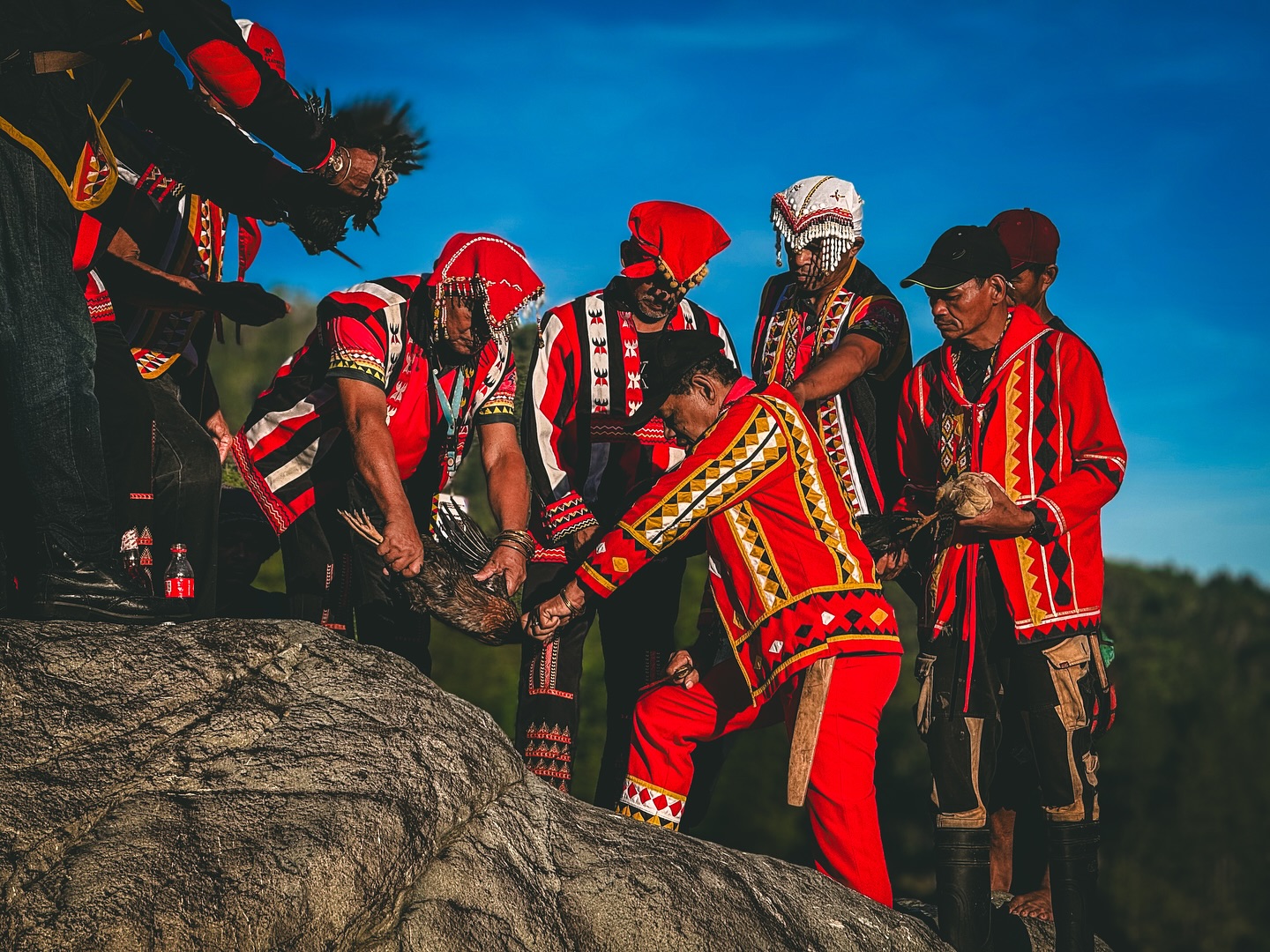
MALAYBALAY CITY (BukidnonNews.Net / April 30, 2026) — Bukidnon Tagoloanons are leading the Panengdan: Panalawahig ta Kaulo ta Wahig ta Tagoloan 2026, a two-day annual pilgrimage to the headwaters of the Tagoloan River in Sitio Sabangan, Barangay Can-ayan here on May 1.
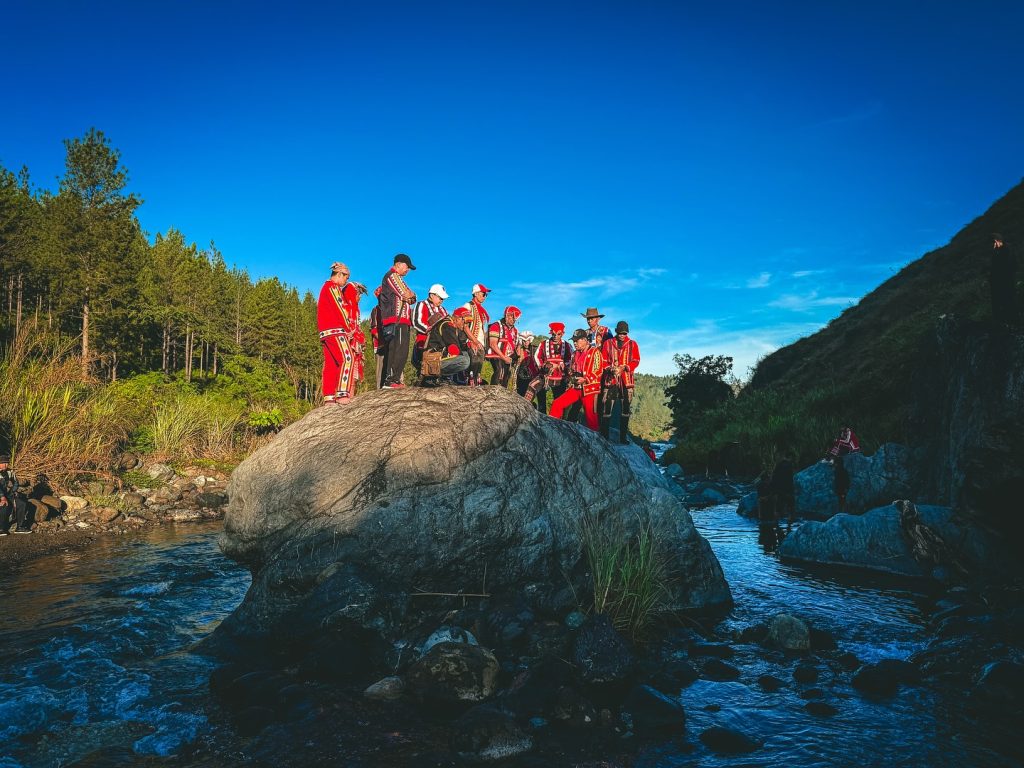
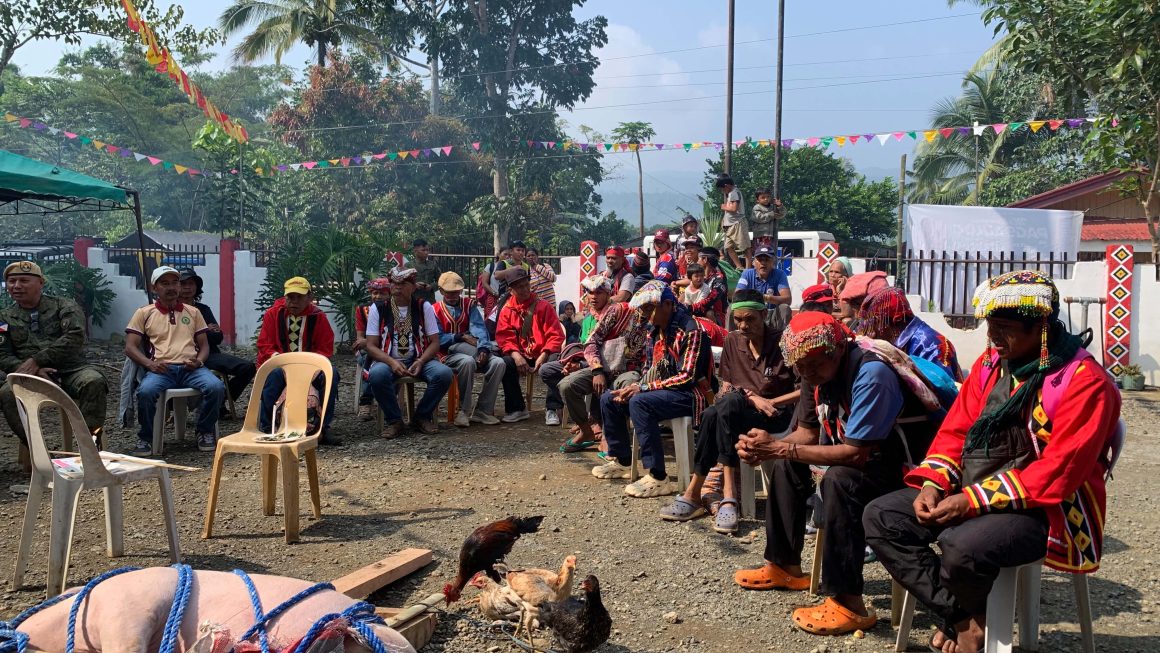
Elders lead the conduct of the panalawahig, a traditional act of thanksgiving for the river/File photo courtesy of Rey Ariel Belisario
Organizers say the event, also referred to as the Panalawahig Yearly Pilgrimage, gathers descendants of the Tagoloanon tribe and members of the seven tribes of Bukidnon.
Datu Manhan-ayan Atty. Burt M. Estrada, chair of the council of elders of the Bukidnon Tagoloanon Tribe Ancestral Domain, said elders and ancestors have entrusted the present generation to continue the Panengdan.
“Aron ang tanang tribu makauli diri ug maka pasalamat sa kang Magbabaya og sa bulalakaw para sa gasa sa kinabuhi nga gina hatag sa tubig og pag pangayu pasaylo sa mga kalapasan nga na himo sa mga tao batok sa kalikupan,” (so that all tribes can return here and give thanks to Magbabaya and to the Bulalakaw for the gift of life sustained by water, and to ask forgiveness for the wrongs committed by people against nature), Datu Manhan-ayan told BukidnonNews.Net in a message on April 29, 2026.
The pilgrimage site, known as “Sabangan ha Tagoloan,” serves as the headwaters of the Tagoloan River and stands as a sacred ground for the Tagoloanon and other Bukidnon tribes. Oral tradition describes the site as the bedrock of civilization in Bukidnon and the source of governance, culture, and law, or batasan.
Organizers say the panalawahig ritual stands as one of the highlights, describing it as a traditional act of thanksgiving for the river. The program of the ritual provided to BukidnonNews.Net shows that the Bukidnon Tagoloanon people return to the site at least once a year to perform the ritual.
In 2021, BukidnonNews.Net quoted Datu Manhan-ayan as identifying participants as descendants of Apu Mampaalong and Apu Mansikiabo and describing the practice as observed by the seven tribes of Bukidnon “since time immemorial.” The same account states that the council of elders, together with its economic arm, the Bukidnon Tagoloanon Mulahay Ha Kabukalagan Agriculture Cooperative (BUKTAMACO), facilitated the pilgrimage at the time.
“We invite descendants of the tribe and visitors who wish to witness this annual Panengdan to join us in offering thanks, especially for the gift of water,” Datu Manhan-ayan said on April 29.
He also emphasized the solemn nature of the gathering.
“This is a time for prayer. We ask participants to observe solemnity, avoid excessive noise, and refrain from consuming intoxicating drinks,” he added.
Participants are expected to arrive on April 30. For this year, organizers open the program with Datu Manlipagus Alfredo V. Siberia leading the pamalabag activities from 6:00 a.m. to 12:00 noon.
Evening activities include dinner and announcements, the introduction of the seven tribes, and a lambaga gathering scheduled until midnight.
On May 1, participants begin preparations at 4:00 a.m., followed by ritual proper activities from 5:00 a.m. to 7:00 a.m., continuing until 11:00 a.m. Organizers will conclude the program after lunch and announcements before participants return home.
The annual pilgrimage highlights the continued observance of shared rituals and traditions among the Tagoloanon and the other tribes in Bukidnon. (Walter I. Balane/BukidnonNews.Net)
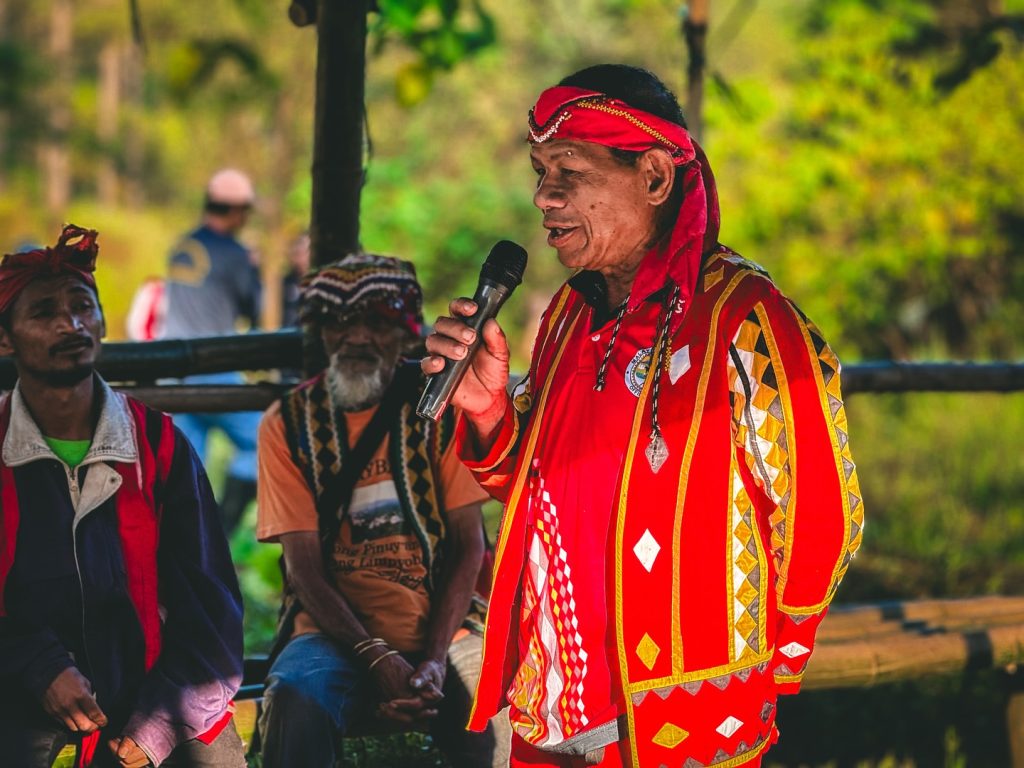
A tribal leader speaks during an assembly in between two-parts of the ritual/File photo courtesy of Rey Ariel Belisario
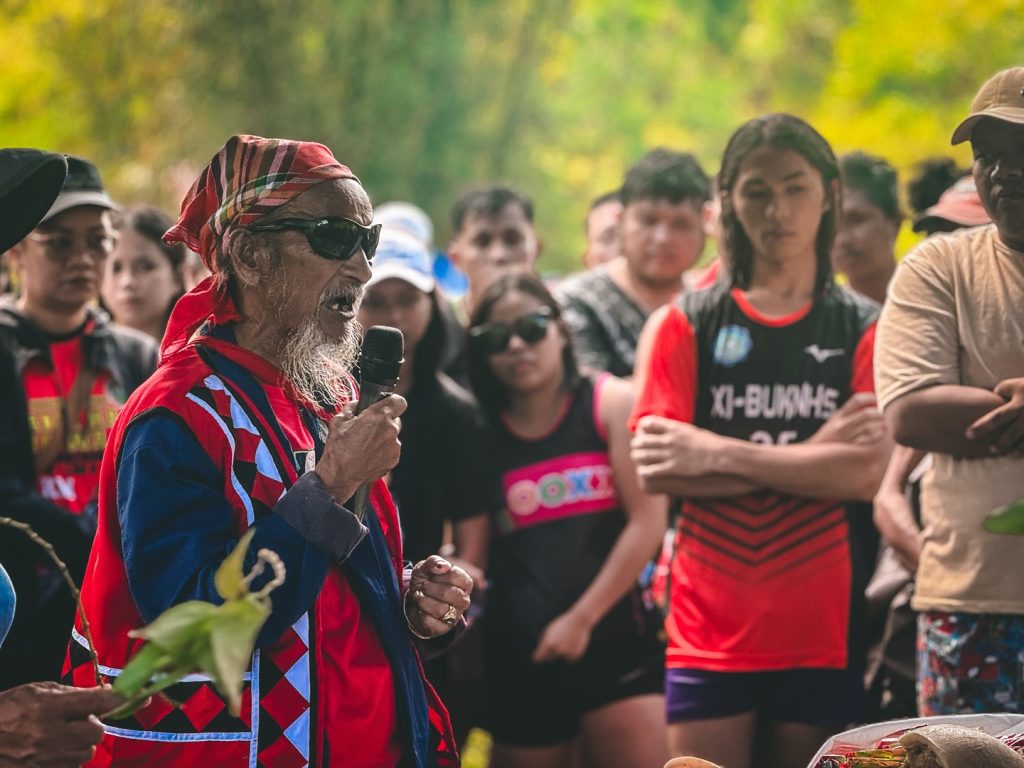
A tribal leader speaks during an assembly in between two-parts of the ritual/File photo courtesy of Rey Ariel Belisario
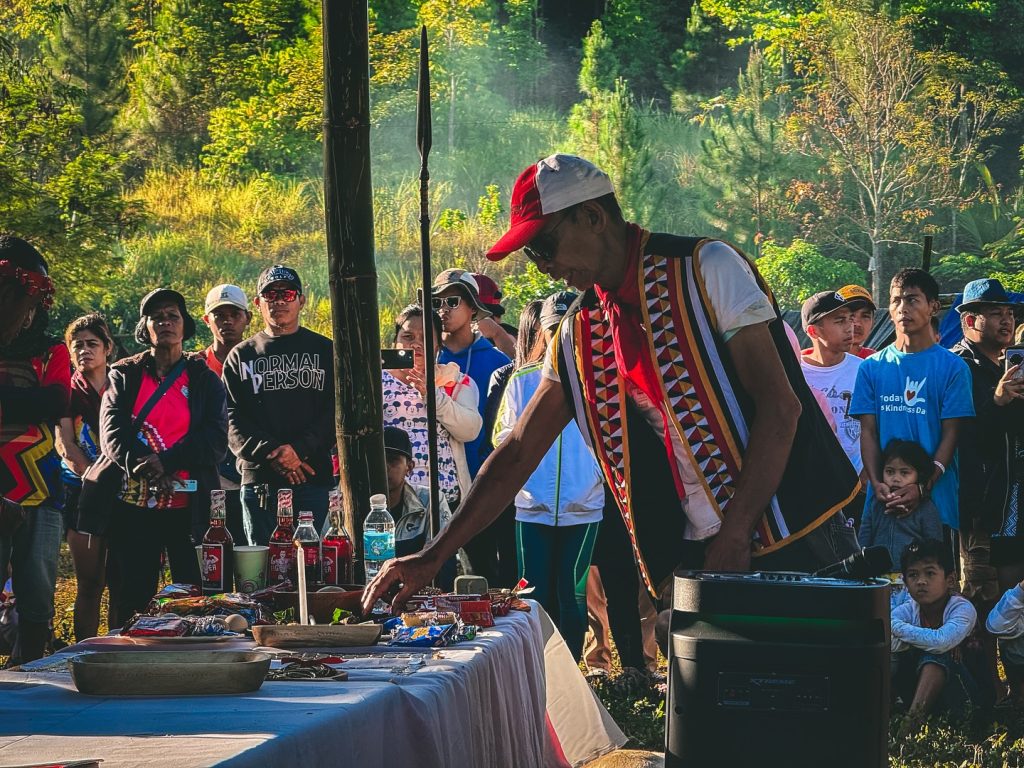
Datu Manlipagus Alfredo V. Siberia/File photo courtesy of Rey Ariel Belisario
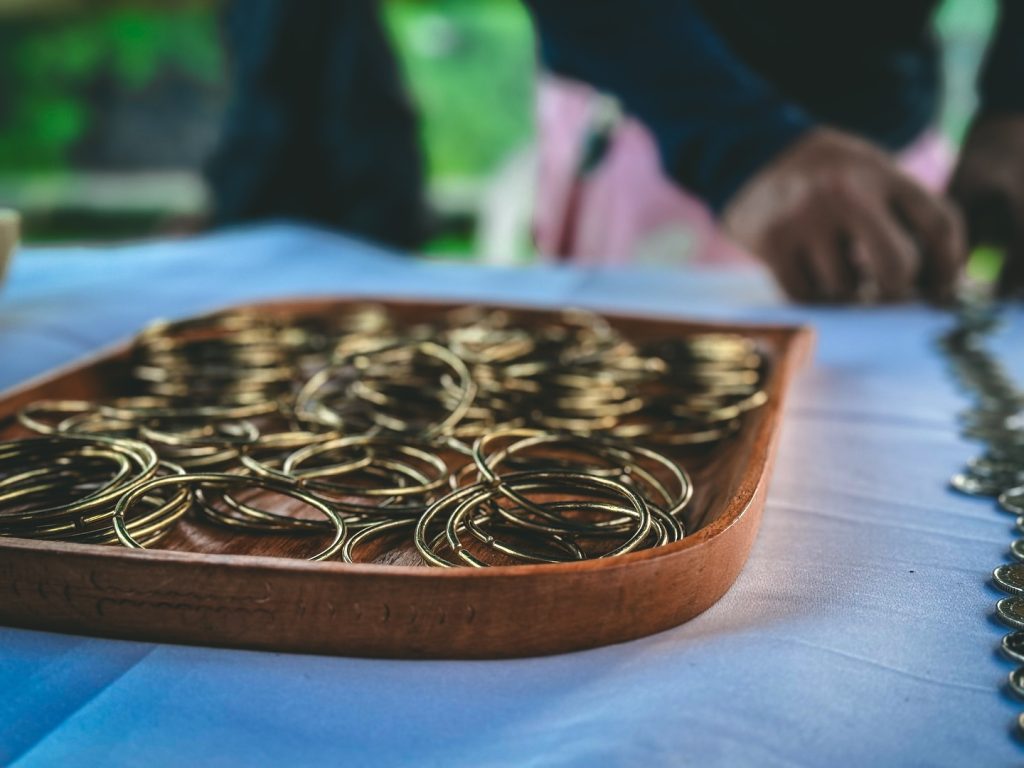
Organizers usually offer for keepsake until supply lasts the galang ha bukalá, a sacred brass bangle. The galang is often worn as a spiritual protective charm. These are often handmade and given by Datus/Baes to trusted visitors./File photo courtesy of Rey Ariel Belisario
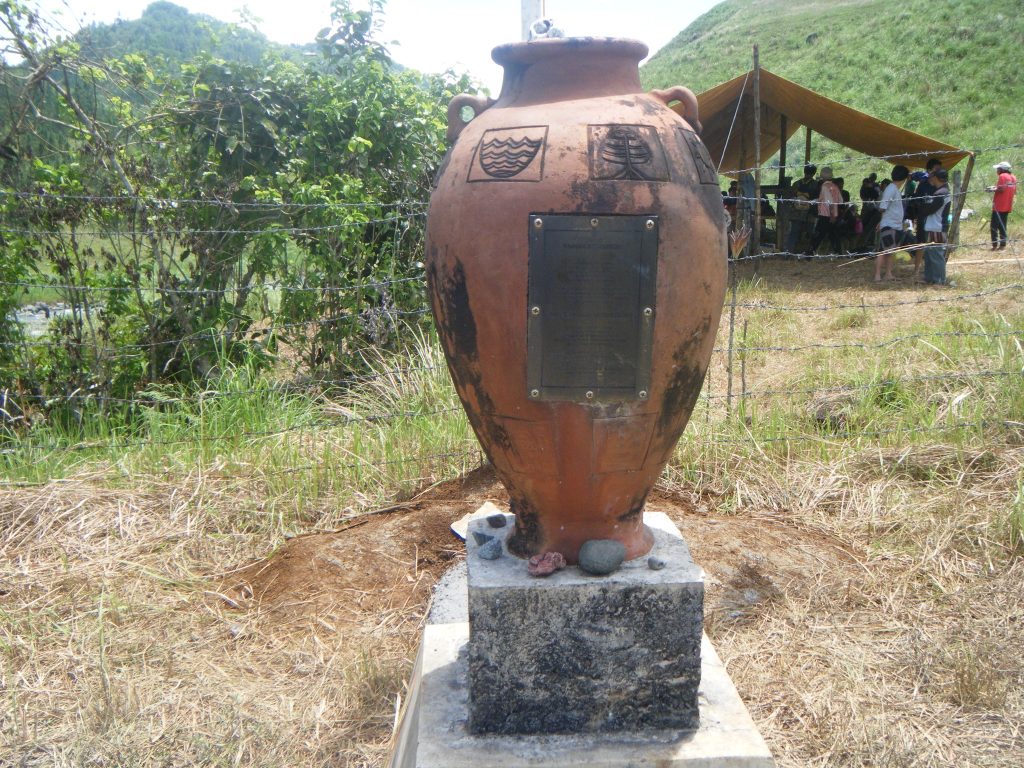
A tibud or jar/vessel is a central fixture in Sabangan ritual site. This is also referred to as a representation of the Bungkatol Ha Bulawan, part of the name referred to the code or batasan of the Bukidnon Tagoloanons.
File photo for BukidnonNews.Net by Erlow D. Talatala
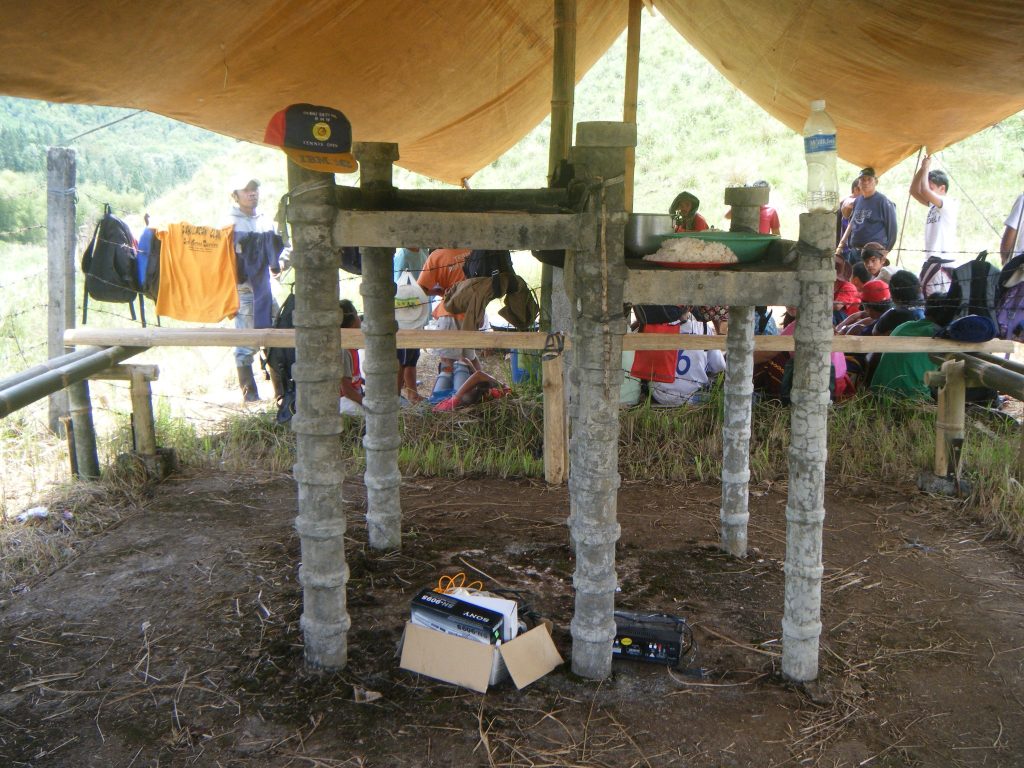
A bangkasu or traditional ritual altar while being prepared before use /File photo for BukidnonNews.Net by Erlow D. Talatala
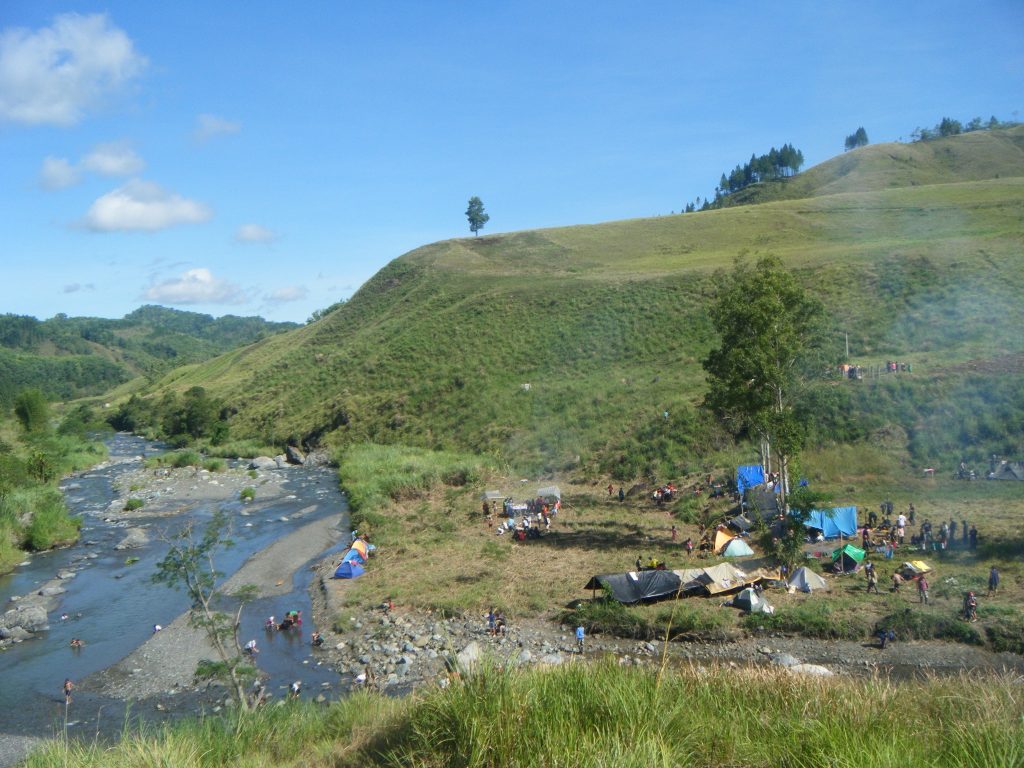
An overview of the ritual site in Sabangan, Barangay Can-ayan/File photo for BukidnonNews.Net by Erlow D. Talatala